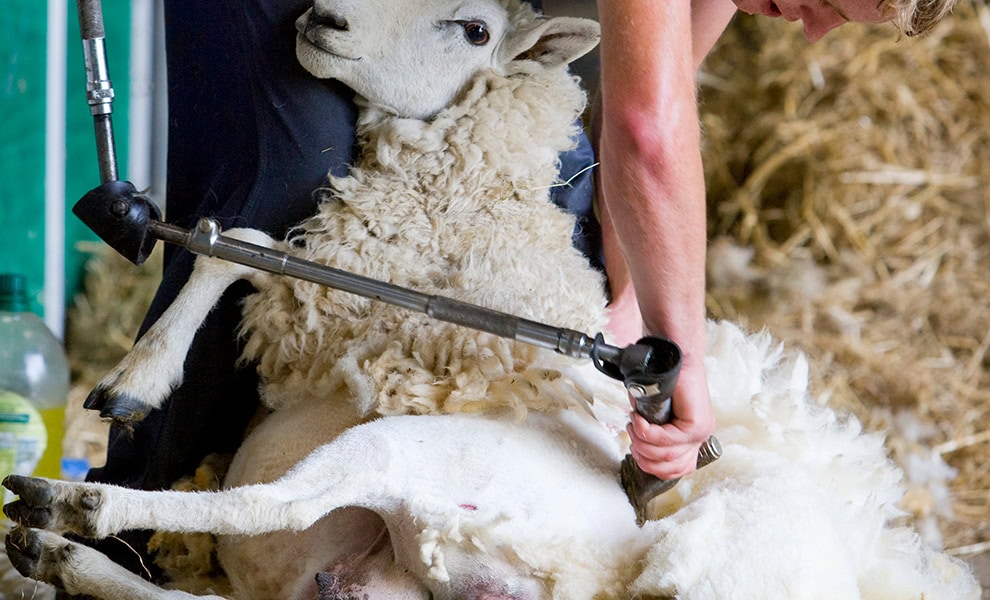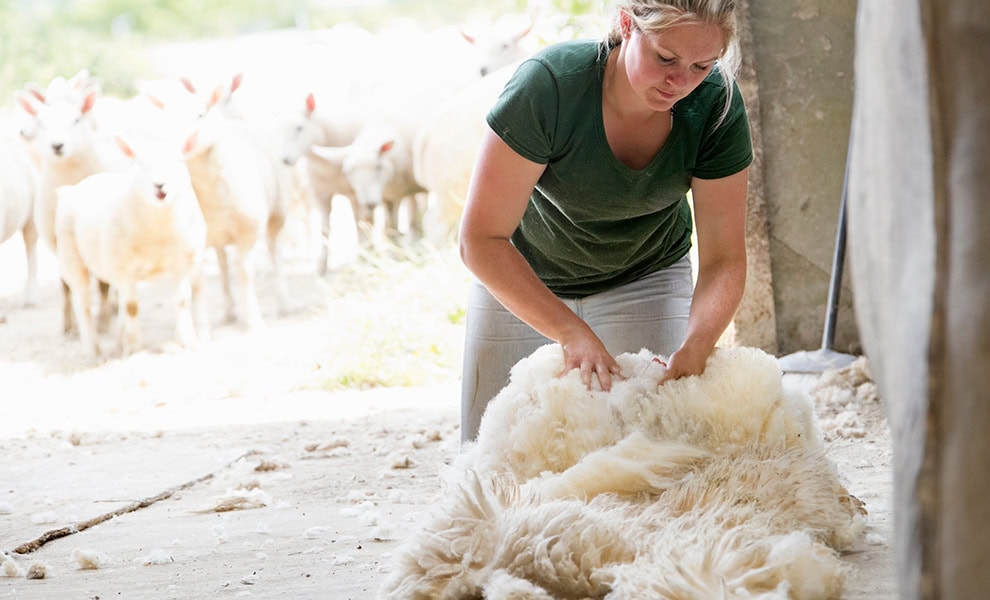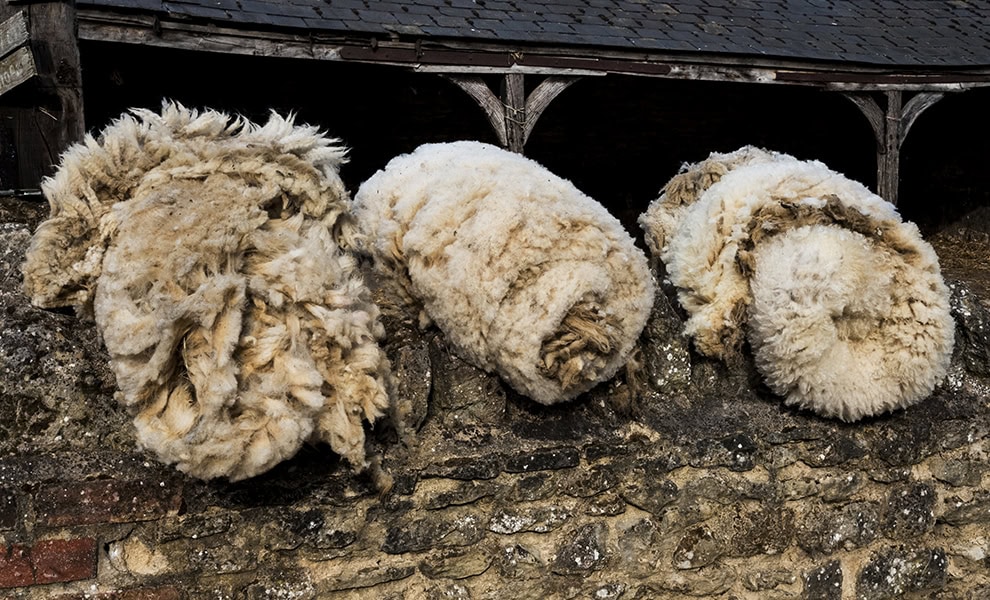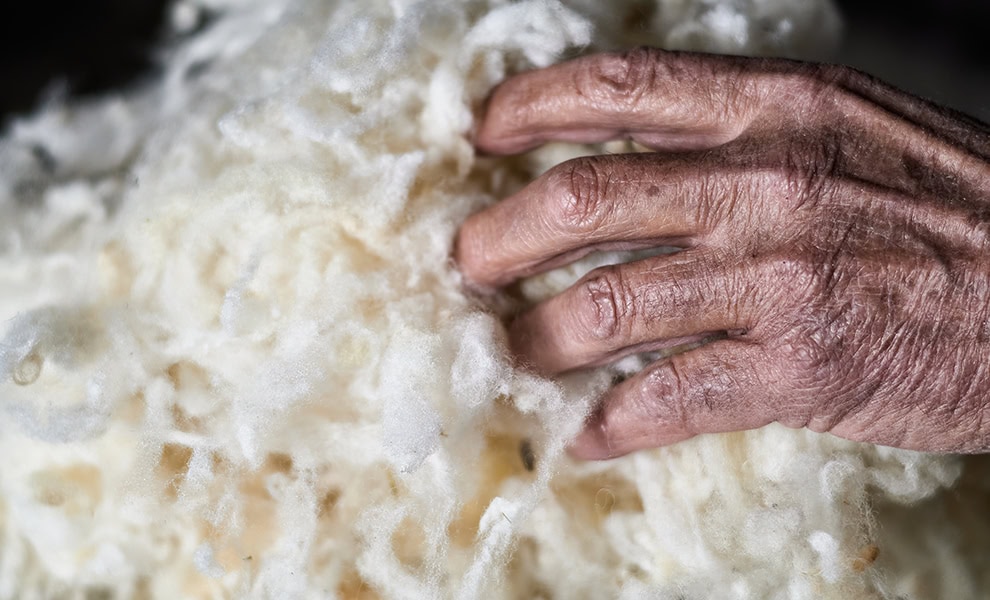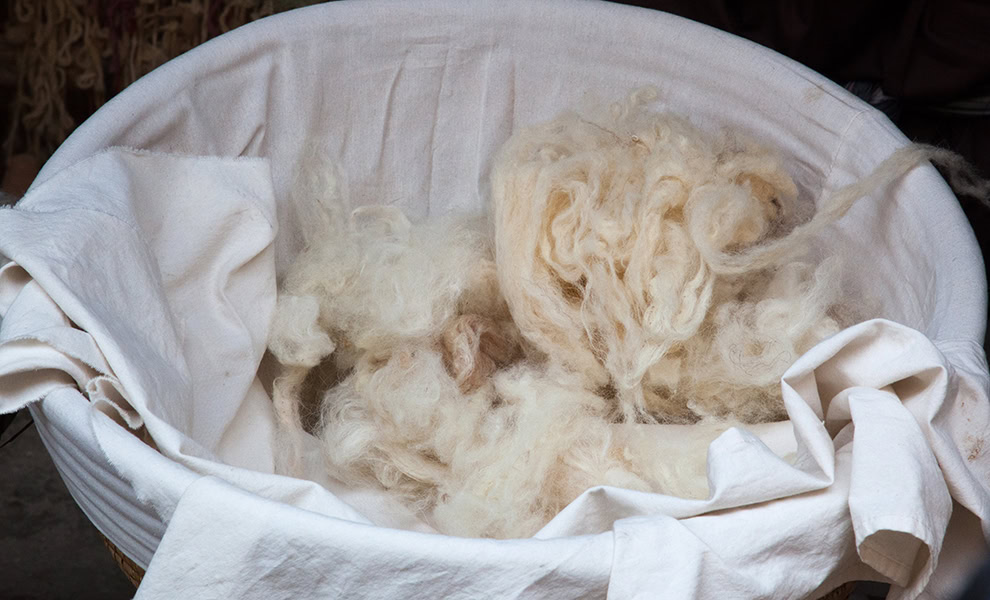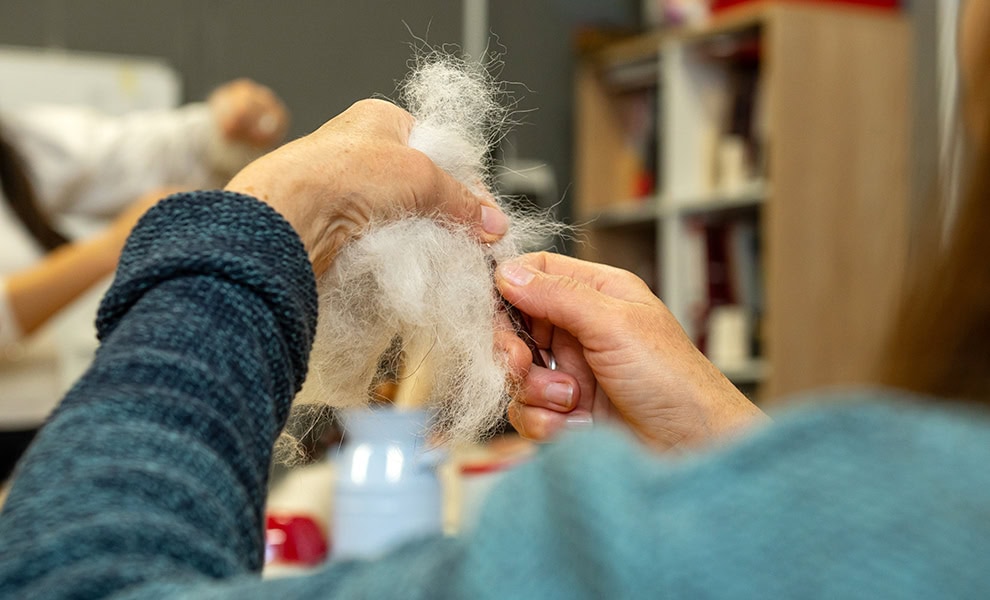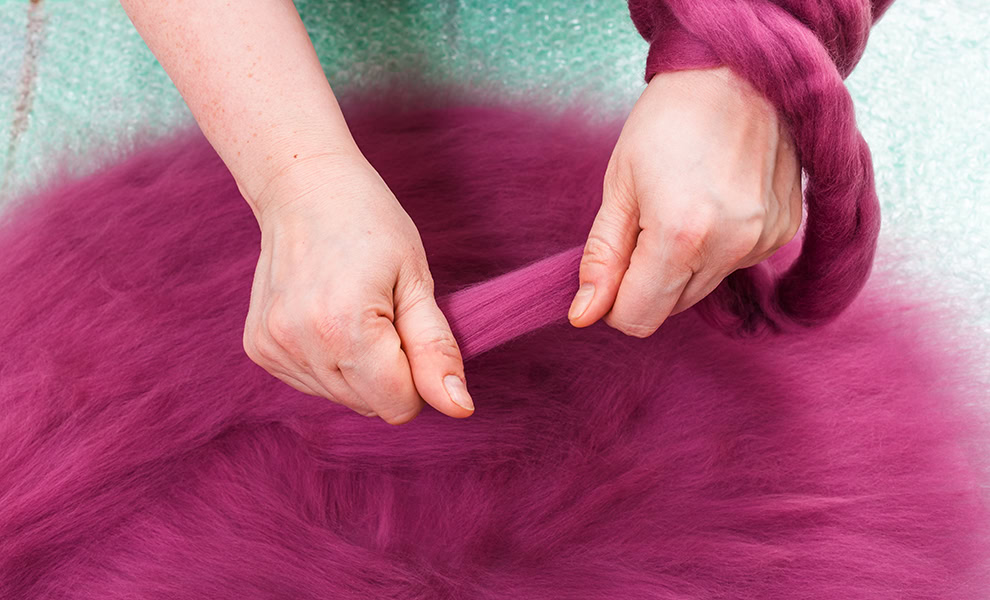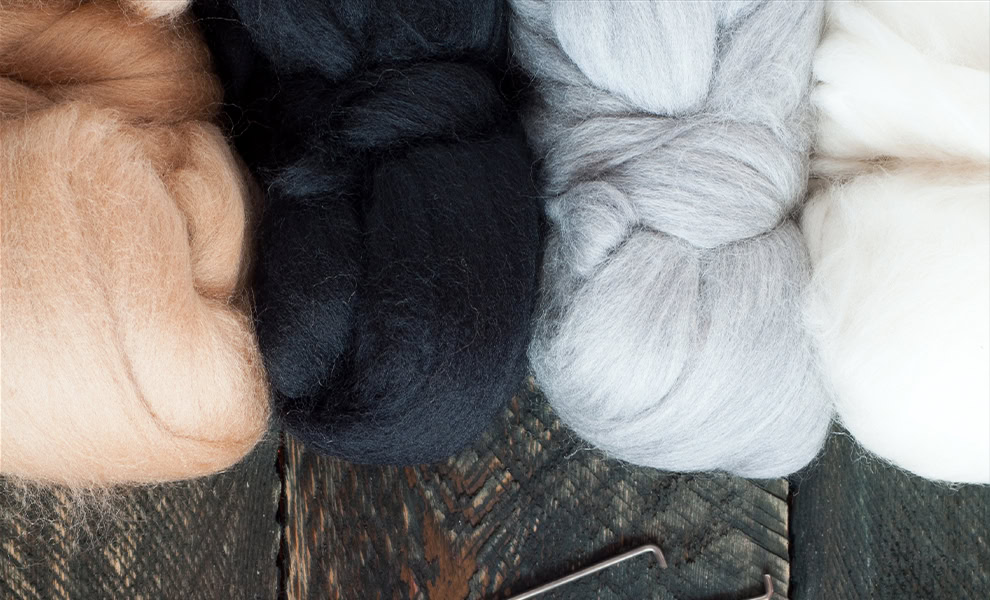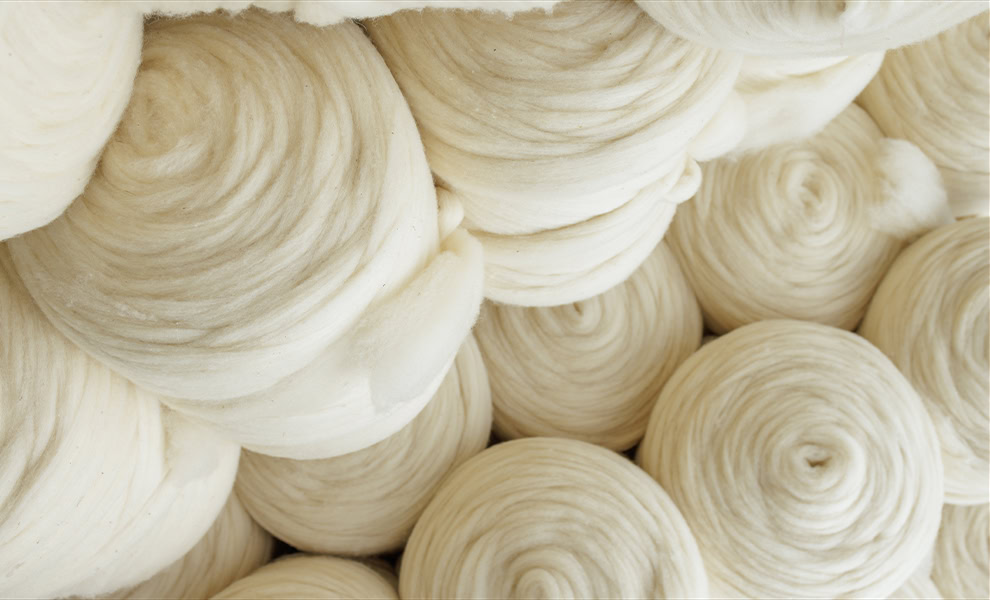
For anyone interested in traditional crafts and working with locally sourced materials, wool is a good way to get started working with fibres. Wool can be processed from raw fleece to finished product using basic equipment at home and doesn’t require industrial intervention to become useable. Wool is an incredibly versatile fibre with dozens of practical and creative uses – you can make clothing, household items, arts, crafts, and toys or use it as stuffing or insulation. Spin wool into yarn for knitting, weaving, crocheting, or darning. Felt it and you can turn it into almost anything, from hats to Christmas ornaments to book covers to play mats. You can create rope, cord, or even paper from wool fibres. Wool is a renewable resource as sheep regrow their fleeces every year. So, if you keep sheep as companions or to help you manage your land, your wool production becomes a closed-loop system!
Prepare raw wool fleeces for spinning or felting
Although you need several days to prepare wool, little of this involves you actively working the fibres. You can start with just a little wool the first time so you get familiar with the process. Here's what's involved.
1
- Spread the fleece on a flat surface and pick through it by hand to remove any debris – large pieces of vegetation, matted sections, heavily soiled areas, and second cuts (short bits from the shearer’s second passes).
- Discard anything that feels hard or felted.
2
- Soak the fleece in a large basin of cold rainwater or tap water. Submerge the fleece gently without agitating it (movement causes felting). Let it soak for 8 to 12 hours. This removes the water-soluble dirt and begins loosening the lanolin.
- Lift the fleece out carefully and dump the dirty water. Refill the basin with fresh cold water and submerge the fleece again. Soak for another 8 to 12 hours. The water should be much clearer after this soak.
3
- Add about a tablespoon of washing-up liquid per 5 litres of hot water (around 60°C or just too hot to keep your hand in). Place the fleece in the hot soapy water without stirring or agitating. Let it sit for 20 minutes. The water will turn brown or yellow as the remaining lanolin and dirt release.
- If your fleece is very dirty, gently drain the water and then repeat this 20-minute soak in hot water.
- Using rubber gloves, lift the fleece out and gently press (don’t wring) to remove excess water. Refill the basin with hot water at the same temperature as the wash – a sudden temperature change will cause the wool to felt. Submerge the fleece and let it sit for 5 minutes, then lift it out and press again.
4
- Lay out a clean sheet or towel on a flat surface. Spread the fleece on it and roll the fabric up with the fleece inside. Press down on the roll to squeeze out water. Unroll and transfer the fleece to a dry section of fabric, then roll and press again.
- Spread the damp fleece in a single layer on a drying rack, clean sheet, or old window screen in a shaded, well-ventilated area. Turn the fleece every few hours to ensure even drying. Depending on humidity and airflow, drying takes a couple of days. Keep it out of direct sun, which can weaken the fibres.
- Once completely dry, pull the fleece apart gently with your hands to separate the fibres and add volume. Don’t tear the fibres apart completely – just loosen them so air can move through. Remove any remaining small bits of debris you find. The fleece should feel light and springy, not dense or compacted.
- Once the wool is completely dry, you can store it indefinitely before carding. Keep it dry, protected from moths, and in a breathable container (not sealed plastic that could trap any residual moisture).
5
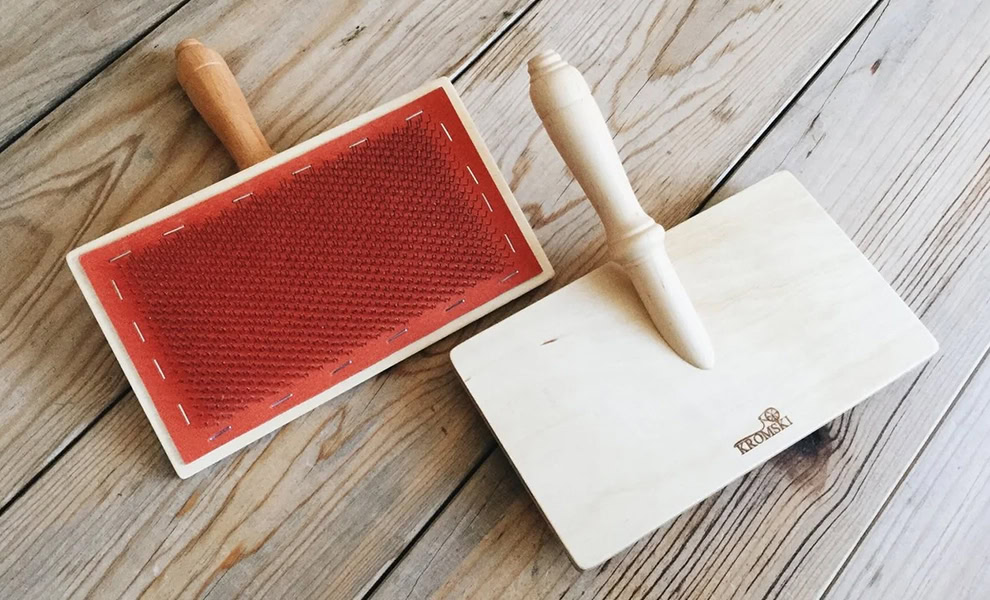
- (Note: this carding step can happen at a later date). Take a small handful of fluffy fleece. Hold one carder in your left hand, teeth facing up. Lay the fleece across the teeth. Hold the second carder in your right hand, teeth facing down, and draw it across the stationary carder in short strokes, gently pulling the fibres through the teeth. The carders should barely touch – don’t press them together hard.
- Repeat a dozen strokes until the fibres align and the fleece looks uniform and fluffy.
- Remove the aligned fleece from the card by peeling it off gently. This creates a small batt of carded wool ready for spinning, felting, or stuffing.
Notes about preparing wool fibre
Traditional wisdom says you should always use your carders in the same hand (because of the way you’ll wear the teeth). So you can mark your carders for your left and right hands to be sure of always using the correct ones.
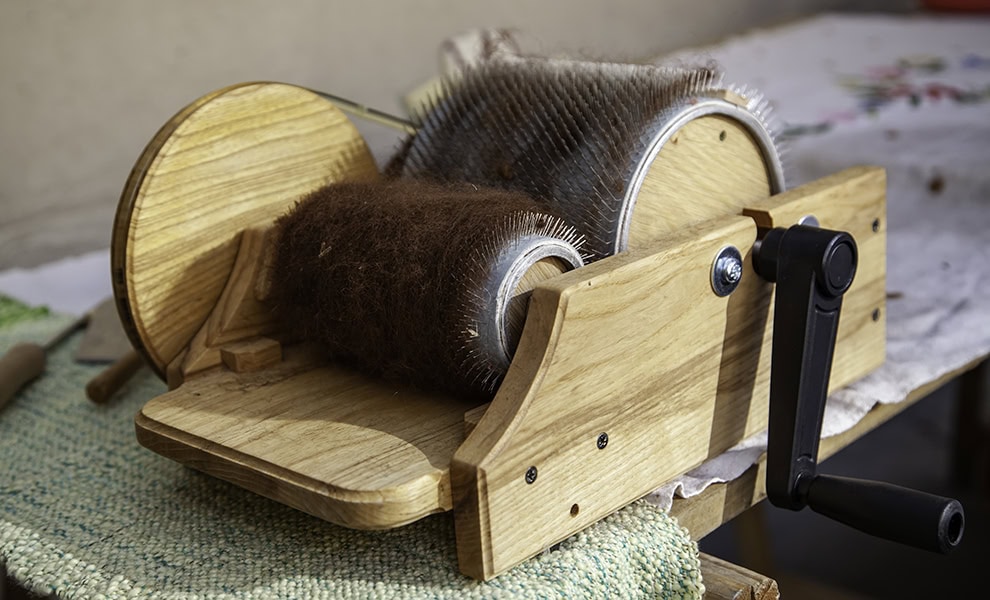
We have covered hand carding only in this how-to, as it is the most accessible method for beginners and small quantities, but drum carding and combing are also methods of preparing fibre for spinning or felting. Drum carding uses a hand-cranked machine with two rotating cylinders covered in teeth, making it faster and less physically demanding for larger amounts of fibre. Combing takes a different approach, using long metal combs to remove short fibres entirely, leaving only the longest, smoothest fibres aligned in parallel. This produces a finer, more lustrous preparation suited to smoother yarns and more refined projects. Each method has its place depending on the wool type, quantity, and intended use.
Frequently asked questions (FAQ)
How soon after shearing does a raw fleece need to be washed and prepared?
Raw fleece can sit for months or even years before washing without serious problems, as long as it’s stored properly. The lanolin in unwashed wool actually helps to preserve it and protects against some pests. Store it somewhere dry with good airflow in a breathable bag, cardboard box, or clean bin with ventilation holes. Avoid using plastic bags as they trap moisture, which can lead to mould or mildew.
The main enemy is moths, so check the fleece periodically for signs of infestation (small holes, webbing, or the larvae themselves). You can add lavender sachets or cedar blocks as bug deterrents. If you’re not ready to wash immediately after acquiring fleece, don’t worry; many fibre crafters intentionally let fleece rest for several months because it becomes easier to handle – the lanolin stabilises and the fleece is less fragile. That said, heavily soiled fleeces with manure or significant vegetable matter are better washed sooner rather than later, as that debris smells and can attract pests.
What breeds of sheep produce the best wool for different projects?
Merino sheep produce fine, soft wool ideal for garments worn next to the skin like scarves, sweaters, and baby items. The fibres are thin and crimpy, making them comfortable and warm without itchiness. However, most Merino sheep are farmed in Australia, where ‘mulesing’ – the removal of skin around the tail area without anaesthetic or aftertreatment – is still common practice to prevent flystrike. If ethical sourcing matters to you, look for Merino certified as mulesing-free or choose wool from European Merino flocks where the practice is banned.
Romney and other longwool breeds have coarser, stronger fibres that work well for outerwear, bags, rugs, and items needing durability. Their wool also felts beautifully for slippers or trivets. Jacob sheep and other traditional breeds fall somewhere in the middle – their wool has character with natural colour variation (greys, browns, blacks) but can be scratchier. These work well for rustic projects like wall hangings, sturdy mittens, or textured throws. Local crossbreeds vary widely, so if you’re getting wool from a nearby farm, ask to feel a sample first and consider what you’re making.
Is the same process used to prepare fibre from goats, alpacas, or other animals?
The basic washing and carding process works for most animal fibres, but each has quirks. Alpaca fibre contains very little lanolin compared to sheep’s wool, so it washes more easily and quickly (you probably only need one hot wash instead of two). Alpaca is slippery and doesn’t felt as readily as wool, which makes it more forgiving during washing but trickier to spin or felt into projects.
Mohair from angora goats also has minimal lanolin and a very smooth, lustrous texture. It needs gentle handling during washing because the long fibres can tangle easily.
Cashmere from cashmere goats comes mixed with coarser guard hairs that need to be separated out, which is a tedious job you’ll need to do by hand before or after washing.
Angora from rabbits is extremely fine and delicate, with almost no grease, so it barely needs washing at all – just a gentle cold soak to remove dust. The fibre is so light it floats on water, making it tricky to submerge.
Different fibres also card differently. Alpaca and mohair are slippery on the cards and need a lighter touch, while cashmere is so fine it can be difficult to see what you’re doing. The basic principles of avoiding agitation and temperature shock apply across all fibres, but sheep’s wool is the most forgiving for beginners to learn on.
Should I wash just part of a fleece to test my process?
If you have never prepared wool before or are working with a type of wool that’s new to you, it’s a good idea to wash a small portion first to see what will be involved. Take a handful from different parts of the fleece (shoulder, sides, and rear end all have different levels of dirt and grease). Wash these test samples using your planned method and see how they turn out. The rear sections are typically dirtiest and greasiest, so if your process works there, it’ll work on the whole fleece. Testing also lets you adjust water temperature, soap quantity, or soak times before committing to washing the entire fleece. You’ll waste less time and water if you need to modify your approach.
Why does my washed wool still have bits of hay and debris in it?
If you can still see little bits of debris in your washed fleece, don’t panic. It doesn’t mean you’ve done anything wrong; it’s just that some vegetable matter embeds itself deep in the fleece and won’t come out during washing. This is especially common with sheep that were kept on hay or in brushy pastures. The good news is most debris will work its way out during carding (the teeth of the cards catch and pull out these bits). You can also pick through the dried wool again before carding to remove larger pieces. Some fibre crafts like felting actually hide small flecks of debris in the final texture. If you’re spinning for fine yarn, you might need to be more selective and discard sections with heavy debris or choose cleaner fleeces next time.
How much wool is produced by a typical sheep?
A typical sheep produces 2 to 4 kilos of fleece per shearing, but you will lose some of this weight during washing when the lanolin, dirt, and sweat wash away. Expect to keep about up to 80% of the original fleece weight after washing. Finer wools like Merino have more lanolin and lose more weight during washing. Coarser wools are often less greasy and have a better yield. One fleece can make several sweaters’ worth of yarn, dozens of felted items, or enough stuffing for multiple cushions and quilts. For most home crafters, a single fleece provides material for an entire season of projects.
Does the colour of the sheep affect how I prepare the wool?
Coloured sheep fleeces (black, brown, or grey) are washed in exactly the same way as white wool, but they show dirt less obviously, which can be both good and bad. You might not realise how dirty the wash water is getting, so pay attention to water clarity rather than relying on visual inspection of the fleece itself.
Coloured wools can fade slightly in sunlight during drying, so shade is even more important. White wool can be bleached in the sun if desired, but this weakens the fibres and isn’t recommended unless you specifically want a lighter shade. Naturally coloured fleeces are increasingly popular for projects where you want to avoid dyeing.
How do I know if I need to card my wool?
Uncarded wool (after washing and fluffing) has fibres going in all directions – it’s fluffy but chaotic. This is fine if you’ll use your wool to stuff toys or pillows or even for larger projects such as wall or roof insulation. Carded wool has all the fibres aligned in roughly the same direction, creating a smooth, uniform batt. This alignment is essential for spinning because the fibres need to be parallel to draft into yarn smoothly. Carded wool also felts more evenly because the aligned fibres lock together predictably. For decorative felting where you want controlled colour blending, carding lets you layer different coloured fibres precisely. The process also aerates the wool further and removes any last bits of debris, so even if you’re just stuffing a cushion, a quick carding pass makes the filling more resilient and longer-lasting.